Melanotan-1: Understanding Its Uses, Benefits, and Important Considerations
Wiki Article
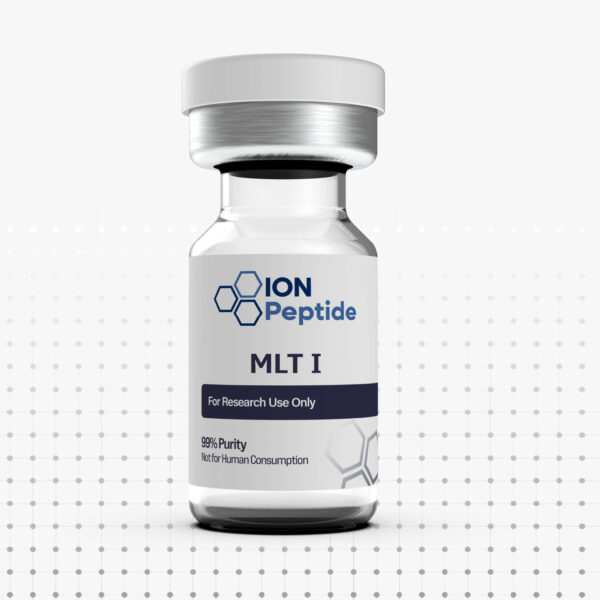
Melanotan-1 is a synthetic peptide designed to mimic the activity of alpha-melanocyte-stimulating hormone (α-MSH), a naturally occurring hormone in the human body that plays an important role in regulating melanin production. Melanin is the pigment responsible for skin color and provides a natural defense mechanism against ultraviolet (UV) radiation from sunlight.
Interest in Melanotan-1 continues to grow among individuals researching skin pigmentation, tanning alternatives, and peptide-based solutions. Unlike traditional tanning methods that rely on prolonged sun exposure or artificial UV sources, Melanotan-1 focuses on stimulating the body’s natural melanin pathway.
What Is Melanotan-1?
Melanotan-1 is a laboratory-developed peptide analogue of α-MSH. It works by interacting with melanocortin receptors, especially the MC1 receptor found on melanocytes, which are specialized skin cells responsible for producing melanin.
By activating these receptors, Melanotan-1 encourages increased melanin production. Higher melanin levels contribute to darker skin pigmentation and may help support the skin’s natural response to UV exposure.
Melanotan-1 is also known in scientific research as afamelanotide, a peptide compound studied for its relationship with melanin production and photoprotection. Research into melanocortin pathways continues to explore how these peptides influence pigmentation and other biological processes.
How Melanotan-1 Works in the Body
The primary function of Melanotan-1 involves stimulating melanocytes to produce more eumelanin, a darker form of melanin that contributes to brown and black pigmentation.
The process begins when Melanotan-1 interacts with melanocortin receptors on pigment-producing cells. This interaction sends signals that increase melanin synthesis. As melanin production increases, the skin may develop a deeper pigmentation tone.
Melanin serves as a natural protective pigment by absorbing and dispersing some UV radiation. However, increased pigmentation does not replace the need for proper sun protection, including sunscreen use and responsible sun exposure habits.
Potential Benefits of Melanotan-1
Supports Natural-Looking Skin Pigmentation
One of the main reasons people explore Melanotan-1 is its ability to support natural pigmentation. By working with the body’s existing melanin production system, it offers an alternative approach to achieving a darker skin tone compared with traditional tanning methods.
Reduces Dependence on UV-Based Tanning
Many people seek tanning options that do not involve excessive sun exposure or frequent visits to tanning beds. Melanotan-1 attracts attention because it focuses on stimulating pigmentation internally rather than relying entirely on external UV exposure.
Research Interest in Skin Protection
Melanotan-1 receives scientific attention because of its connection to melanin, which plays a role in protecting skin cells from UV-related stress. Researchers continue studying melanocortin compounds to better understand their potential applications in dermatology and other areas.
Peptide-Based Approach
As a synthetic peptide, Melanotan-1 represents a modern approach to influencing biological processes. Peptides are small chains of amino acids that can interact with specific receptors in the body, making them an important area of ongoing scientific research.
Melanotan-1 and Skin Health
Healthy skin requires a combination of proper skincare, nutrition, hydration, and protection from environmental factors. While Melanotan-1 focuses on pigmentation pathways, it does not replace essential skincare practices.
Individuals interested in pigmentation-related peptides should understand that melanin production is influenced by multiple factors, including genetics, hormones, and overall health. Results and responses may vary depending on individual biological characteristics.
Maintaining healthy skin includes:
- Using broad-spectrum sunscreen
- Avoiding excessive UV exposure
- Keeping skin hydrated
- Following a balanced diet
- Using suitable skincare products
Important Considerations Before Using Melanotan-1
Melanotan-1 is a peptide compound that requires careful consideration before use. Understanding how peptide products interact with the body is important for making informed decisions.
Individuals should consider factors such as:
- Personal health conditions
- Existing medications
- Skin sensitivity
- Individual goals and expectations
- Guidance from qualified healthcare professionals
Scientific research continues to evaluate peptide-based compounds, and regulations regarding peptide availability and use may differ between regions.
Melanotan-1 Compared With Traditional Tanning Methods
Traditional tanning methods often involve exposure to UV radiation from sunlight or tanning devices. While UV exposure can increase melanin production naturally, excessive exposure may contribute to skin damage and premature aging.
Melanotan-1 takes a different approach by focusing on the body’s internal pigmentation pathway. Instead of directly exposing the skin to UV radiation, it works through melanocortin receptor activity to encourage melanin production.
This difference makes Melanotan-1 an interesting topic for individuals researching alternatives to conventional tanning approaches.
The Future of Melanotan-1 Research
Research into Melanotan-1 and related melanocortin peptides continues to expand. Scientists study how these compounds influence pigmentation, cellular processes, and possible therapeutic applications.
Advancements in peptide science may provide a better understanding of how targeted molecules interact with human biology. Future research may reveal additional information about melanocortin pathways and their role in skin-related applications.
Conclusion
Melanotan-1 represents an innovative peptide-based approach to supporting melanin production and influencing skin pigmentation. By mimicking the activity of α-MSH, it interacts with melanocortin receptors involved in the body’s natural pigmentation process.
Interest in Melanotan-1 continues because of its connection to tanning alternatives, peptide research, and skin pigmentation science. However, understanding its characteristics, potential effects, and safety considerations remains essential.
Anyone exploring Melanotan-1 should focus on responsible research, realistic expectations, and professional guidance when appropriate. As peptide science develops, Melanotan-1 remains an important compound in the ongoing exploration of pigmentation biology and advanced skincare research.
Report this wiki page